 PontiacRoofing Contractor
- Home
- Leak Prevention & Waterproofing
Roof Waterproofing in Pontiac, MI before it leaks
Icicles along the gutters and stains on the ceiling every spring are a sign the roof on your Pontiac home is letting meltwater back in. We fix the cause with ice and water shield, flashing and ventilation.
- Ice and water shield
- Flashing done right
- Balanced attic ventilation
- Free roof inspection
Free roof inspection & estimate
Pontiac homeowners. A roofer, not a call center, gets back to you.
Why older Pontiac homes grow ice dams
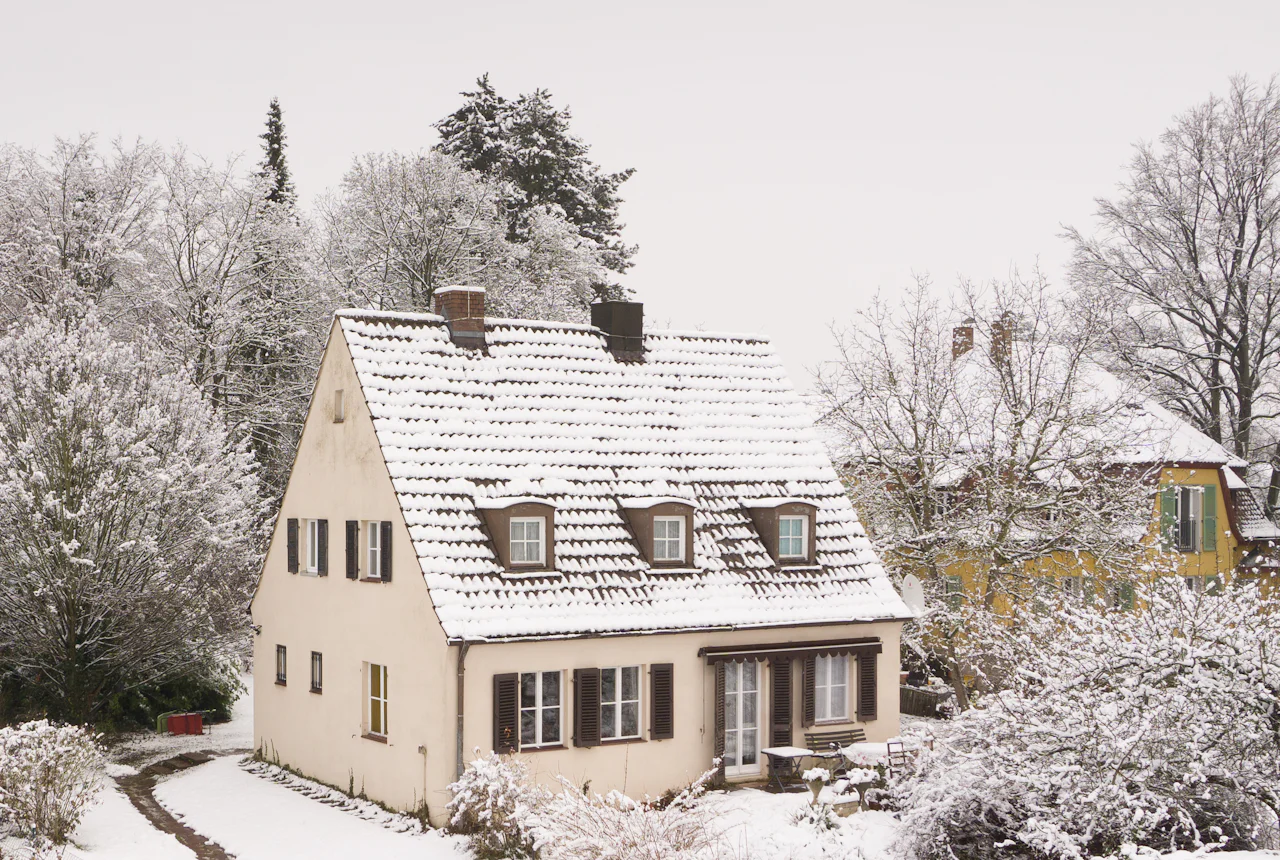
Ice dams are common on older houses in Pontiac for a simple reason: heat escapes into the attic. Homes built before modern insulation and ventilation practices often have thin attic insulation, few soffit vents and warm air leaking up around chimneys, light fixtures and attic hatches. That warmth melts the snow on the upper roof, the water runs down to the cold eaves, and it freezes into a ridge of ice.
The next melt has nowhere to go. It backs up under the shingles, into the decking and down the inside of the wall. Story-and-a-half homes with knee walls and dormers are especially prone, because the heated rooms sit right under the roof.
We fix it from both sides. On the roof, ice and water shield goes along the eaves and in the valleys, flashing is replaced at chimneys and walls, and drip edge sends water into the gutters. In the attic, we look at intake and exhaust ventilation and point out where air sealing and insulation would help. Heat cables and roof raking treat the symptom; we go after the cause, and we photograph what we find so you can see it.
The details that keep water out
Leak prevention is not one product. It is a handful of details done right.
Ice and water shield
Self-sealing membrane at the eaves, valleys and around penetrations, where water backs up.
Step & counter flashing
Metal flashing where the roof meets walls and chimneys, layered so water runs out, not in.
Attic ventilation
Soffit intake and ridge exhaust balanced so the roof deck stays cold in winter.
Drip edge
Metal edging at the eaves and rakes that carries water into the gutter and off the fascia.
Pipe boots & vents
Cracked rubber boots and loose vent flashing replaced before they let water down the pipe.
Gutters & downspouts
Clear, properly pitched gutters move meltwater away instead of letting it freeze at the edge.
Where the fix belongs
Heat cables and roof rakes deal with ice after it forms. They can help in a pinch, but they do not fix why the ice is there. The lasting fix is stopping the heat that melts the snow and protecting the roof edge where water collects.
On an existing roof, we can often improve ventilation, replace failed flashing and boots, and repair the eaves without replacing the whole roof. Ice and water shield goes on the decking under the shingles, so adding it means removing the shingles in that area. On a roof near the end of its life, it goes in as part of a full replacement.
We inspect the roof and attic, photograph what we find and explain which fixes fit your roof.
| Fix | Existing roof | With a new roof |
|---|---|---|
| Ice and water shield | At repaired areas | Eaves and valleys |
| Flashing | Replace failed sections | All new |
| Ventilation | Add or balance vents | Designed in |
| Pipe boots | Replace cracked ones | All new |
| Drip edge | Where it’s missing | Full perimeter |
Find it, explain it, fix it
You see what we see before you decide anything.
Roof & attic inspection
We check the eaves, valleys, flashing and vents, and look in the attic for heat loss and moisture.
- Photos of problem areas
- Ventilation checked
- Signs of past ice dams
Written options
You get the photos and a written estimate for the fixes that address the cause.
- Cause explained plainly
- Repair vs. replace honesty
- Free written estimate
Careful install
We do the work with the house protected, clean up daily and show you photos of the finished details.
- Photos of the work
- Daily cleanup
- End-of-day briefing
More ways to keep water out
From one leak to a complete new roof system.

Roof Repair
Leaks, missing shingles, flashing and storm damage found and fixed, with photos of every repair.
Learn more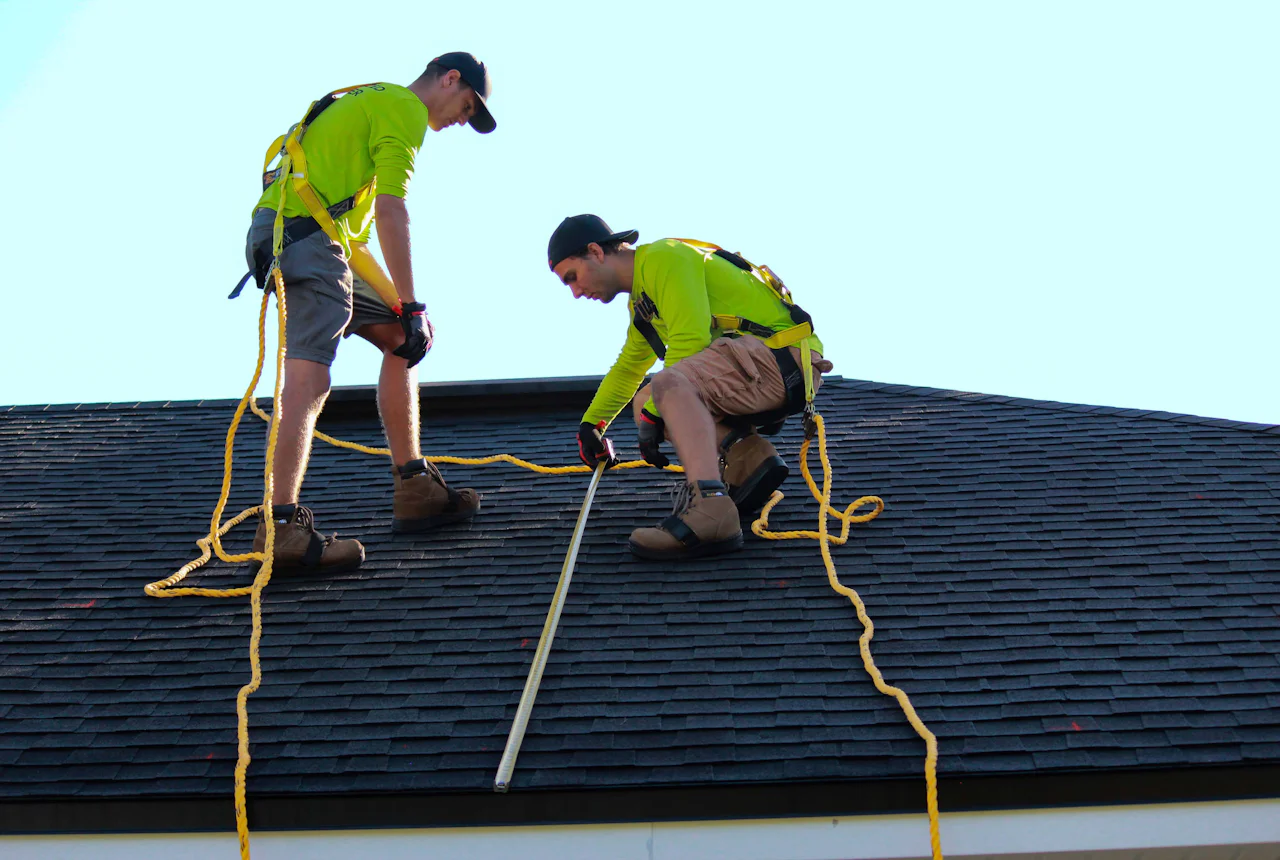
Roof Replacement
Full tear-off and a new Owens Corning shingle system, with the yard protected and cleaned up every day.
Learn more
Gutters
Seamless gutters and downspouts sized for the roof, with guards that cut down on clogs.
Learn moreWhat our customers say
Real reviews from homeowners across Metro Detroit.
“Very awesome, professional experience with Kincaide!!! Scott and his crew is wonderful. They do good work, really put things in terms so that people can understand things better. We will definitely be sticking with KINCAIDE!!!”

“I can’t say enough good things about this company. Scott the owner walked me through the whole process from start to finish. They protected my house with boards during the job and did a fantastic job on clean up! All this and a fair price!”
“Kincaide roofing went above and beyond our expectations. Scott (the owner) took pictures of every step and fix he made. They were punctual, thorough and very professional. No B.S. with Scott, the communication was straight forward and gave us briefings every night before they left.”
Snow, ice and thaw on Pontiac roofs
Michigan winters swing above and below freezing, and every swing tests the roof edge.
Pontiac sees heavy snow, long cold stretches and quick thaws, often in the same week. Snow load builds on the roof, freeze-thaw cycles open gaps in old sealant and flashing, and shaded north slopes under big trees hold ice the longest. Clogged gutters make it worse by giving the ice a place to start.
Eaves and valleys
Ice and water shield where meltwater backs up, installed under the shingles.
Attic heat
Ventilation fixes and notes on insulation so the roof deck stays cold and even.
Chimneys
New step and counterflashing around older brick chimneys where water gets in.
- Pontiac
- Waterford Township
- Auburn Hills
- Bloomfield Township
- Sylvan Lake
- Lake Angelus
- Keego Harbor
- Bloomfield Hills
- Rochester Hills
Ice dam questions from Pontiac homeowners
How ice dams form and how to stop them for good.
Why does my story-and-a-half Pontiac home get ice dams every winter?
Do I need a permit to add ice and water shield in Pontiac?
Can ice and water shield be added without a new roof?
Should I use heat cables?
Is it safe to chip ice off my roof?
Do clogged gutters cause ice dams?
Stop ice dams before next winter
Book a free inspection of your Pontiac roof and attic. We’ll show you where the heat and water are getting through.